Correct Way to Brush and Floss Your Teeth
Jawa David December 14, 2025
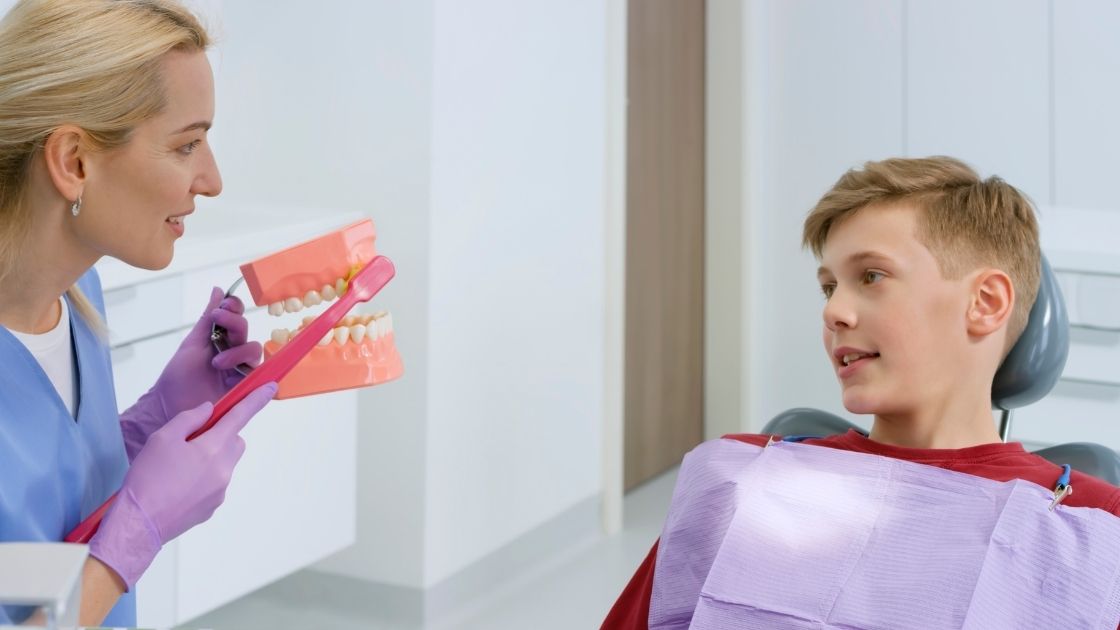
Good oral health begins with simple and consistent habits that are not always noticed or are sometimes done wrongly. This post highlights the dental health care practices at the core of a radiant smile. It includes ways that are right to brush, floss and take care of your mouth regularly to keep you away from common dental issues. Good hygiene is not just about appearance; it is also about the prevention of discomfort, infections coupled with costly dental care treatments.
Why Oral Hygiene Matters
Practicing proper oral hygiene is vital for not only keeping your teeth and gums healthy but also for staying healthy in general. The plaques will build up on your gumline and in between the teeth if you won’t remove plaque regularly, thus, you will have a perfect spot for the harmful bacteria to grow. Finally, it can cause cavities, periodontal disease and a loss of teeth.
Maintaining good oral hygiene supports overall health. In the event that oral germs invade gums, they may enter the bloodstream. Good hygiene, coupled with regular practices, allow reduction of microorganisms and keep teeth strong.
How to Brush Your Teeth the Right Way
Brushing your teeth may seem simple, but the use of the correct method is essential. An approach that is rushed can be for more harm than good. The goal is for the removal of plaque gently while the protection of enamel is done.
Step-by-Step Brushing Method
Initially, select a toothbrush with soft bristles and a toothpaste containing fluoride. Holding the brush at a slight tilt to the gums is a good habit because it allows the bristles to get into the spot where plaque is formed most often. The correct way of brushing is gently where the gum tissue inflicts no harm while allowing for thorough cleaning.
Instead of scrubbing the teeth harshly, use gentle, circular motions. Brush all surfaces of the teeth, the outside, inside, and chewing surfaces, and make sure to get the back teeth as well. Brushing time should be a minimum of two minutes so that every area gets a thorough cleaning. Also, remember to clean your tongue because it can hold bacteria that create bad breath.
Common Brushing Mistakes
Many people are brushing too hard, believing it will make the cleaning better. In reality, pressure that is excessive can result in erosion of enamel coupled with the irritation of gums. Skipping of areas, brushing too quickly, or the use of a toothbrush that is old with bristles that are worn can also result in reduction of effectiveness. The replacement of your toothbrush every three to four months helps maintain performance for cleaning.
The Correct Way to Floss Your Teeth
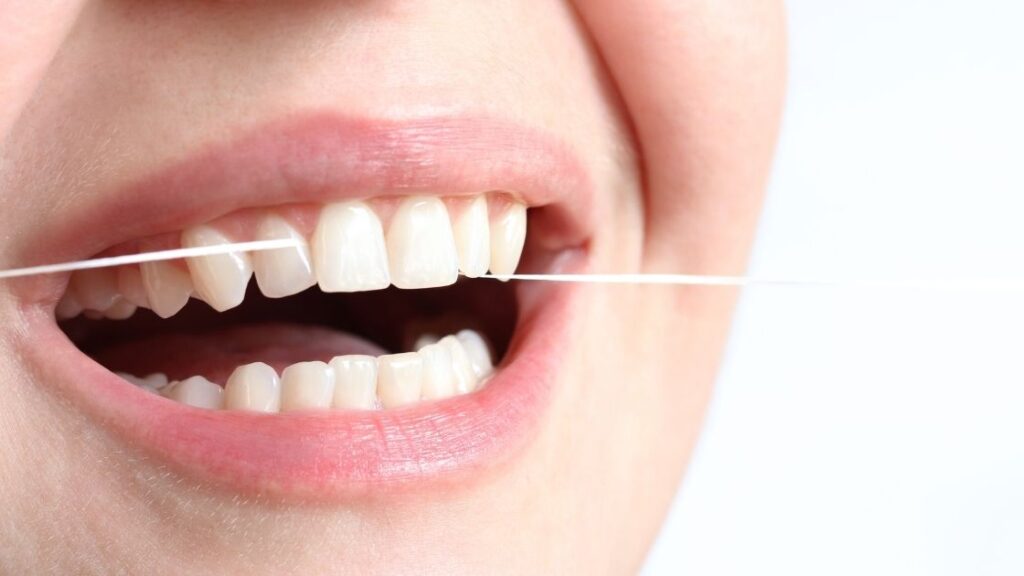
While brushing is cleaning of the surface, flossing is the removal of plaque from areas your brush cannot reach. Learning how to floss correctly is essential for care that is complete.
Flossing Steps Explained
Start with a sufficient length of floss and wrapping it around your fingers for maintenance of control. The gentle sliding of the floss between teeth is necessary without the snapping into the gums. It will be possible for you to be curving the floss around the tooth moving it up and down below the gumline. The repeating of this process coupled with the use of clean sections is vital. Daily flossing allows prevention of plaque and keeps gums firm.
Creating a Daily Oral Hygiene Routine
Consistency is the backbone of good dental health. A structured Oral hygiene routine ensures that brushing and flossing become habits rather than occasional efforts.
Daily Dental Care Checklist
- Brush your teeth twice a day using fluoride toothpaste
- Floss at least once daily to clean between teeth
- Rinse your mouth after meals if brushing is not possible
- Replace your toothbrush regularly
- Schedule routine dental checkups and cleanings
Following these steps daily helps maintain oral cleanliness and minimizes the risk of long-term dental problems.
Protecting Your Gums
With healthy gums you will have strong teeth. If you neglect flossing or brushing at the gumline, bacteria that are resistant will cause the gum tissues to be inflamed and bleed. This can eventually lead to the disease of the tooth, supporting tissues. Your daily routine is what makes your gums healthy and free of diseases.
Lifestyle Habits That Support Dental Health
Oral health is a thing that is influenced by choices in lifestyle as much as by habits of daily cleaning. A diet that is balanced and low in sugar is for the helping of the limiting of bacterial growth in the mouth. Drinking plenty of water also supports saliva production, a thing which naturally cleanses teeth and neutralizes acids.
Avoiding smoking is also something that is very important, since smoking is one of the major factors that makes the gums more susceptible to disease. The management of stress, coupled with having good overall health, helps in the having of a strong immune system, which is good for the tissues of the mouth.
Final Thoughts
Understanding the Correct Way to Brush and Floss Your Teeth empowers you to take control of your oral health. With techniques that are right, habits that are consistent, coupled with choices for lifestyle that are mindful. You can definitely safeguard your teeth and gums a few years down the line. Isolation efforts on a daily basis, even the very small ones, eventually lead to great benefits for the long run, thus allowing you to keep your smile healthy and beautiful without any dental problems that could have been avoided.
