How to Choose the Right Foundation for Your Skin Type
Greg Benett March 19, 2026
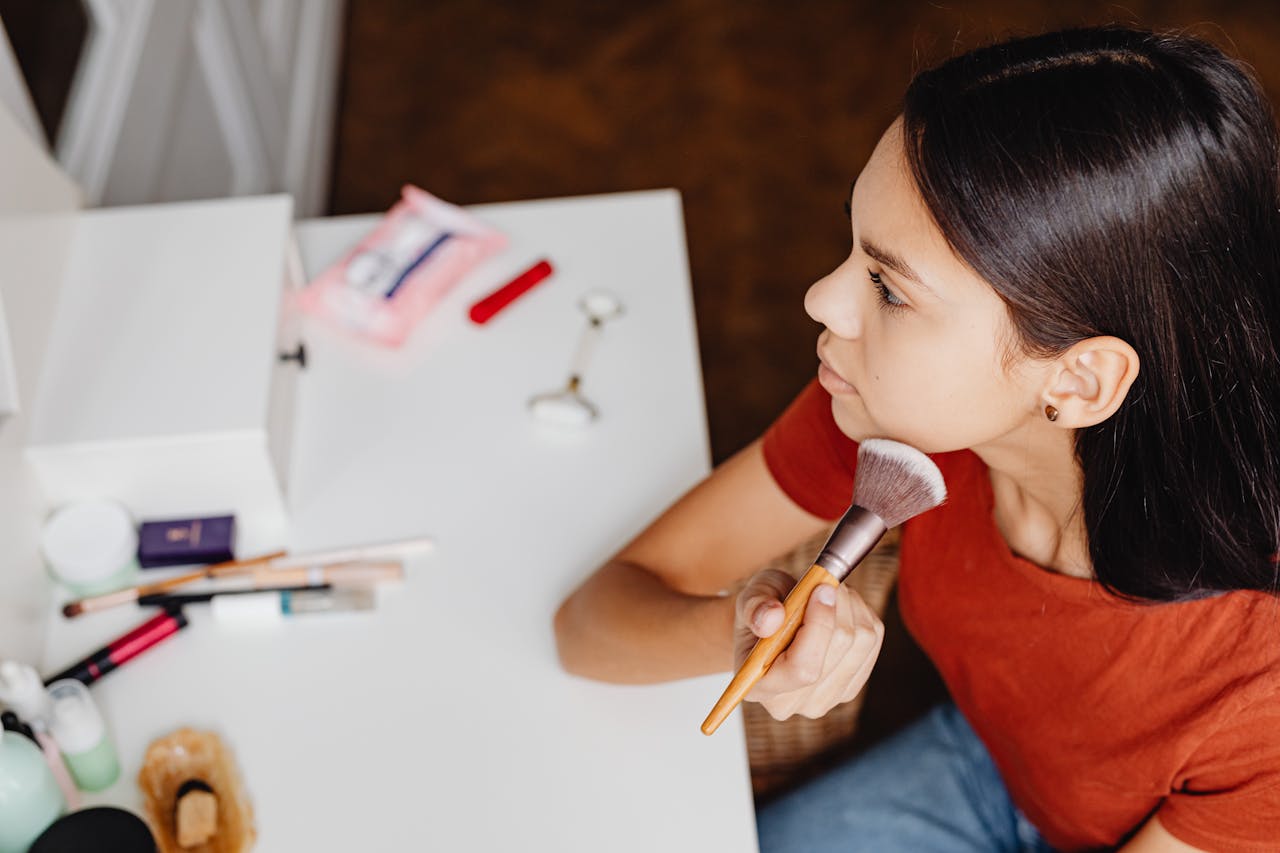
“This guide helps you find the perfect makeup base by identifying your unique skin type and undertone. It offers expert advice on choosing finishes and ingredients for oily, dry, combination, acne prone and sensitive skin to ensure a flawless, natural look.”
Finding the holy grail of foundation usually feels more like a frustrating science experiment than a glow up. We’ve all been there: you buy a luxury bottle because it looked flawless on a friend, only to find it sliding off your nose by lunch or highlighting dry patches you didn’t even know you had.
The truth is, great make up does not start with product itself; it starts with the biology of your face. Choosing the right foundation is about understanding the chemistry between a formula and your skin. This guide is designed to cut through the marketing noise and help you find a base that actually looks like your skin on its best day. To truly master this approach, consider adopting makeup routines that focus on skin health and natural beauty to ensure your products are working with your skin, not against it.
Identifying Your Skin Type
You cannot choose a finish until you know your starting point. Relying on an influencer’s recommendation is a gamble because their skin chemistry is not yours. The most reliable way to figure out what you’re working with is the Bare Face Method.
Use a light, basic cleanser to wash your face, then pat it dry and leave it bare for an hour. Do not use any serums, mists or moisturizers. After an hour, gaze in the mirror. You have oily skin if your whole face is shiny. You have dry skin if it feels tight or shows up a little flaky. You have mixed skin if the shine is only on your forehead, nose and chin and your cheeks feel tight or normal.
The best foundation for acne prone skin: Managing the Shine
If you have oily skin, your biggest challenge is sliding. High sebum production acts like natural makeup remover, breaking down pigments and causing the product to separate. You need formula that stays put mutes the shine without looking like heavy plaster.
Look for bottles that say oil free, matte or liquid to powder. These usually have silica or kaolin clay in them, which work like small sponges to soak up oil that comes to the surface over the day. Some current versions even have little salicylic acid in them to keep your pores free while you wear your makeup.
When applying foundation for oily skin, remember that less is more. A thick layer is actually more likely to break apart as the oil pushes through. Use a synthetic buffing brush to work a thin layer into the skin and always set your T zone with a light dusting of translucent powder to lock the pigment in place.
The Best Foundation for Dry Skin: The Hydration Station
Dry skin lacks natural oils for smooth foundation. On dry skin, heavier matte liquid pigments will capture every fine line and dry flake, creating a cakey look. You want a formula that adds skincare.
A serum based liquid, tinted moisturizer, or rich cream foundation works best for dry skin. Hyaluronic acid, glycerin and squalane are humectants and emollients to look for on the label. These draw air moisture into your skin, plumping and refreshing your face.
The finest tool for this skin is a moist beauty sponge. The sponge’s water melts the lotion into your skin rather than sitting on top. Powder foundations absorb moisture, which your skin doesn’t need.
Navigating Foundation for Combination Skin: The Balancing Act
Combination skin is arguably the hardest to shop for because you need to kill the shine on your nose without making your cheeks look like a desert. You are looking for a Goldilocks formula not too flat, but not too greasy.
The smartest move for combination skin is a satin or natural finish. These formulas are designed to mimic the look of healthy, balanced skin. They are typically buildable, meaning you can add a bit more coverage to your T zone and keep it sheer on your drier areas.
To get best result, try treating your face two different zones. Use a mattifying primer your forehead and nose and a hydrating primer on your cheeks. This gives your foundation a consistent surface to grip onto, regardless of the varying oil levels underneath.
Conclusion
At the end of the day, foundation should not feel like work or a mask. It is a way to help you feel like the best version of yourself. You may save money and avoid having poor skin days by not following trends and instead focusing on what your skin type really needs.
Makeup should be a part of your skin care routine. When you select the right match, you’re not only hiding things; you are also giving your skin best chance to look its best. If you prepare well and choose the appropriate formula, implementing it will be straightforward.
