How to Choose the Right Hair Stylist for Your Hair Type
Elena Patis July 9, 2025
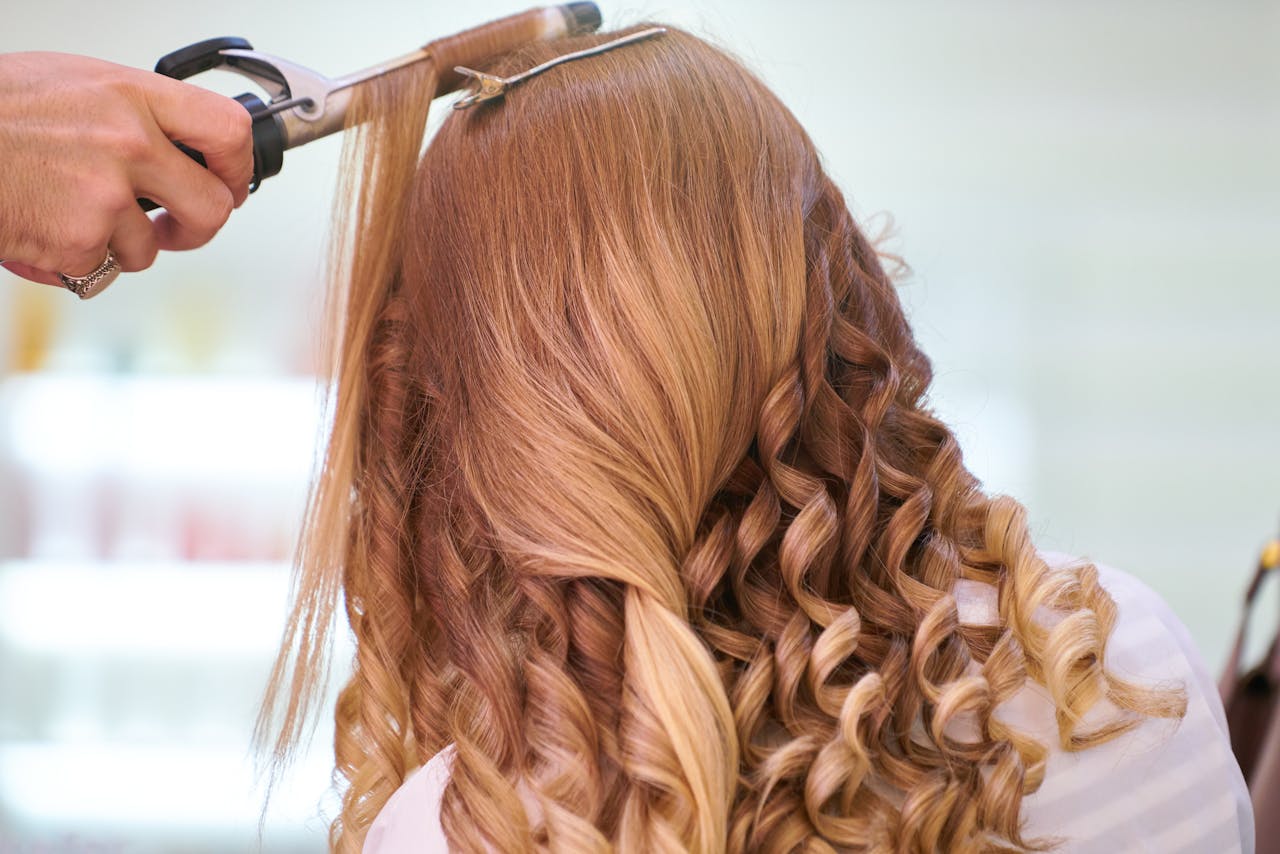
“Finding the right hairstylist requires more than a search; it demands finding a hair type expert. This guide simplifies hair stylist selection, offering strategies for digital research and consultations to help you find the best hair stylist for curls or fine hair.”
Finding right hairstylist often feels like a high stakes dating game. It requires chemistry, a bit of vulnerability and a shared vision for the future or at least for your fringe. Most of us have been there: sitting in a salon chair, watching a professional treat our unique texture like a standard template, only to realize the cut looks great under salon lights but turns into a nightmare the moment we wash it at home.
The truth is, even a highly talented professional isn’t always a hair type expert. Hair is as individual as a fingerprint, governed by its own set of rules regarding physics and moisture. To ensure your next appointment is a success, your approach to hair stylist selection needs to go deeper than a quick scroll through local business listings. This is about finding the person who speaks your hair’s specific language.
Decoding Your Own Hair DNA
Before you can pick the right professional, you have to know what you are actually working with. Many people describe their hair by its frustrations calling it frizzy or limp but those are symptoms, not types. Understanding your hair DNA allows you to advocate for yourself during a consultation.
Start by identifying your texture on the standard 1A to 4C scale straight to coily. However, the search for the best hair stylist for curls or fine hair does not end there. You also need to consider porosity how fast your hair absorbs water and density. A stylist who is wizard with thick, coarse manes might lack delicate touch required for fine, low density strands that show scissor marks. When you know your hair’s temperament, you can more easily spot a stylist who respects it.
The Digital Deep Dive
In today’s world, a stylist’s portfolio is their most honest calling card. When researching, look past high glamour, heavily filtered shots. You want to see hair that looks like yours. If a stylist’s feed is a sea of blonde beach waves but you have dark, tight coils, they might not be the hair type expert you need.
Look for unfiltered content and videos. Static photos can hide technical errors, but a video of a client shaking out their hair reveals how the cut moves and lives in real time. Pay close attention to the before photos. If a stylist consistently takes hair with a similar texture to yours and turns it into something you admire, you have likely found a winner.
When checking reviews, look for specific keywords like shrinkage, taper or weight removal. Authentic praise usually focuses on how the hair behaved two weeks later, rather than just how it looked when the client walked out the door.
Assessing Specialist Credentials
A great stylist is a lifelong student. Techniques for color melting and texture management change rapidly. When choosing the right stylist, look for evidence of specific, advanced training.
If you have curls, look for names like DevaCut, Ouidad or Rezo on their professional bio. These certifications mean the stylist has been trained to cut hair in its natural, dry state to account for the spring factor. If you are after a sharp, geometric bob, look for Sassoon trained professionals. These credentials prove the stylist has spent time mastering the specific physics of certain hair types rather than simply winging it.
Also, take a peek at their backbar the products they actually use at the sink. An expert understands that certain ingredients, like heavy silicones or harsh sulfates, can be a disaster for specific textures. If the products on their shelf align with your hair’s health needs, it is a sign they understand the chemistry of their craft.
The Consultation: Your First Date Interview
Never skip the consultation. It is the most vital part of hair stylist selection. Most high end stylists offer a short window to discuss your goals before any water or scissors touch your head.
Watch for red flags immediately. If a stylist does not touch your hair while it is dry, proceed with caution. They need to feel the density, see where your cowlicks live and check the elasticity. If they simply drape you in a cape and start spraying water, they are following a generic script rather than analyzing your specific head of hair.
Ask direct questions: How do you handle the way my hair loses volume by noon? or What is your plan for removing bulk without making it frizzy? A true expert will give you a technical explanation, not a vague don’t worry about it.
Identifying Expertise by Texture
When narrowing down your hairstylist selection, it helps to know which technical skills match your specific texture. For those seeking the best hair stylist for curls and coils Type 3A 4C, the priority is finding a specialist who understands shrinkage. An expert will typically perform dry cut, respecting way each curl clump sits naturally rather than pulling straight while wet. This ensures that when your hair dries, it does not end up inches shorter than you intended.
If you have fine or thinning hair, you need a stylist who focuses on blunt lines and scalp health. They should avoid heavy thinning shears, which can make fine hair look ragged and instead use point cutting to add invisible volume and movement. Conversely, those with thick or coarse hair should seek out a pro at internal layering. This technique removes weight from the interior of the haircut, allowing the hair to lie flat and move freely without creating a triangle shape or excessive frizz.
The Trial Run Strategy
You wouldn’t buy a car without a test drive and you shouldn’t commit to a massive transformation with a new hairstylist without a trial run. If you are nervous, book a simple wash and blowout first.
This gives you a front row seat to their process:
- Communication: Do they actually listen to your concerns or are they just waiting for their turn to talk?
- Technical Touch: Are they gentle or are they ripping through tangles with a fine tooth comb?
- Knowledge: Do they explain why they are choosing a specific heat protectant or oil?
If the blowout lasts for days and your scalp feels great, you can feel confident booking a cut or color for your next visit.
Building a Long Term Partnership
The relationship between a client and a stylist is a two way street. A specialist provides the skill, but you provide the usage report. On your second visit, be honest about how the hair behaved at home. Did it take too long to dry? Did the layers feel too heavy on one side?
A true hair type expert thrives on this feedback. They want to tweak the shape to fit your real life. If a stylist gets defensive when you ask for a minor adjustment, they probably are not the long term partner your hair deserves.
Conclusion
Choosing a stylist should not be a game of chance. By shifting your focus to hair stylist selection based on your unique DNA, you stop being a passive person in a chair and become a collaborator.
When you finally find that hair type expert, the daily battle with your mirror ends. You stop fighting your hair’s natural tendencies and start wearing them as your best accessory. (Are you inspired by the craft? Learn more about the professional path and how to become a hair stylist in 5 steps to see what it takes to master the art of hair
