How to Manage Acne with the Right Skincare
Greg Benett April 12, 2025
“This article is only meant to give you information and not medical advice. You should never use the information here instead of expert medical advice. Before starting any new skin care treatment or routine, you should always chat to your dermatologist or another certified healthcare professional.
Dealing with acne can be very annoying. This book gives you a clear and useful plan for taking care of your skin. Find out how to make a basic routine that focuses on gentle cleansing, focused treatments with proven actives, and getting enough water. We lay down the facts about your diet and lifestyle so you can calm your skin Care and stop future breakouts. Learn how to get a cleaner healthier complexion with confidence and consistency by following these steps and this is where your path to healthy skin begins.
Your Guide to Clearer Skin: Managing Acne with a Thoughtful Routine
Acne can make you feel alone and frustrated. You are not the only one who is having trouble with this. To deal with breakouts well you need to have a consistent mild and knowledgeable skin care routine. This tutorial gives you measures you may take to create a regimen that soothes your skin and helps it repair and keep in mind that being patient and sticking to your plan are the best ways to have smoother skin.
Understand Your Acne: It’s More Than Just Dirt
When oil and dead skin cells build up in hair follicles acne forms. This makes it easy for germs to grow which causes redness, swelling and those bumps we all know about. If you scrape too hard this inflammation could get worse. Being gentle is essential. You want to help your skin barrier function not take it away.
Building Your Core Acne-Fighting Routine
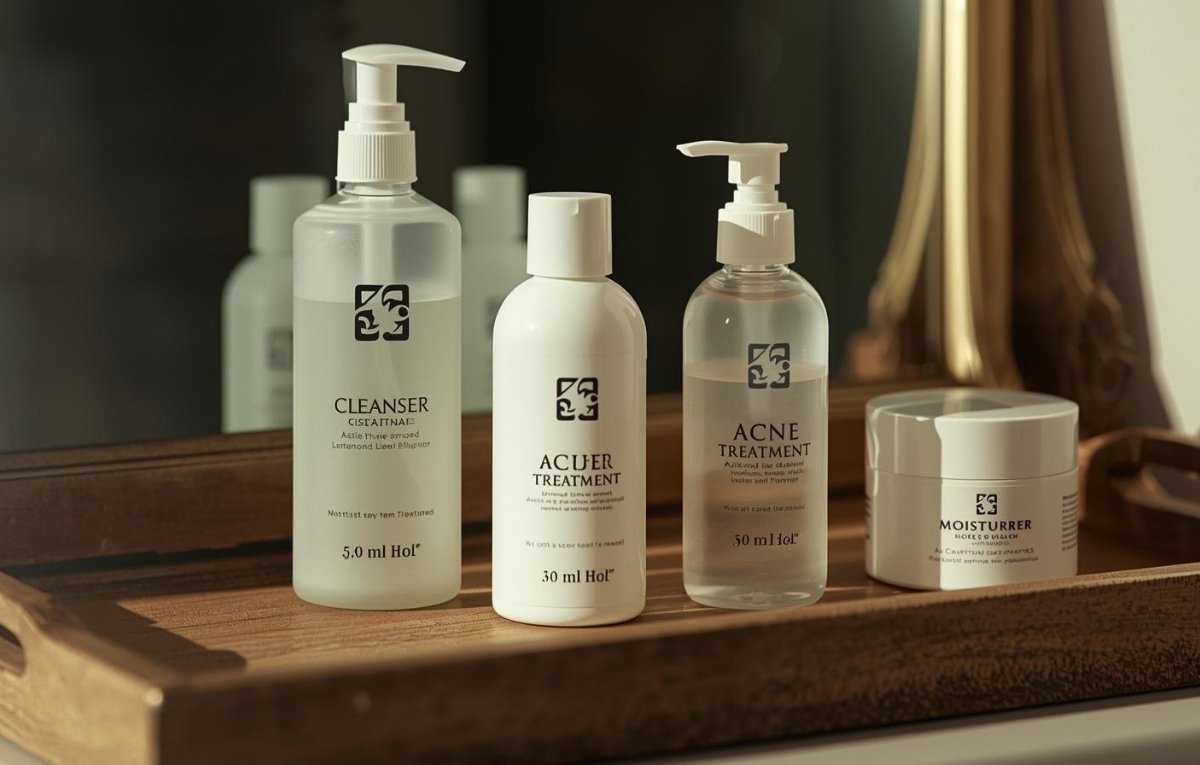
A basic effective regimen is better than one that is complicated. Cleanse, treat and moisturize are the three most important measures to follow.
- Be kind while you clean: In the morning and at night wash your face with a mild water soluble cleanser. Try not to scrape or use harsh sulfates and select salicylic acid or benzoyl peroxide products. Apply the cleanser to damp skin with your fingertips for a minute then rinse. This cleans without breaking down the layer that protects your skin.
- Use Targeted Actives to Treat: After washing your face, use a treatment product to get rid of acne. Key elements make a big difference:
- Salicylic Acid: The beta hemolytic acid BHA breaks down oil and debris that block pores and removes dead skin cells.
- Benzoyl peroxide: The substance reduces swelling and gets rid of the bacteria that cause acne. To prevent your skin from becoming too dry start with a small dosage of 2.5 to 5.
- Niacinamide: Niacinamide is a multitasking superstar that reduces redness controls oil production and makes the skin stronger overall.
Unless your doctor tells you to, only put your treatment serum on the regions that need it, not your whole face.
- Use moisturizer to bring things back into balance: Even skin that is oily and prone to acne requires water. A decent moisturizer can help fix the skin barrier and even stop it from making too much oil. Pick a formula that is light won’t clog pores and does not have any oil in it. Hyaluronic acid and ceramides are two examples of ingredients that add moisture without making the skin feel heavy.
The Ingredient Debate: Choosing What’s Best for You
A lot of people go for organic and chemical-free skincare organic skincare products because they want to utilize softer products. You should know that all skin care products are made with chemicals. Water is a chemical. The actual choice is typically between elements that come from nature and those that are made in a lab.
There is a lot of research that backs up the synthetic skincare ingredients advantages of some organically derived compounds, such as green tea extract and tea tree oil. But just because something is natural does not imply it is better or does not bother you. On the other hand many synthetic skincare products have been studied a lot, are very stable and work very well to treat acne.
The most important thing is to identify what works for your skin whether it’s part of a natural beauty routine or a scientifically designed one. Our article Natural vs. Chemical Skincare: Which One is Right for You? goes into more detail on this subject and looks at the advantages and downsides of each method.
Lifestyle Factors That Support Your Routine
Skincare products are really important, but your lifestyle choices also help.
- Food: Greasy meals do not directly cause acne but some studies suggest that a diet high in sugar and processed carbs may make it worse. Eat a balanced diet that is full of whole foods.
- Stress: High cortisol levels increase oil production and breakouts. Include relaxation activities like walking meditation and sleep.
- Hands Off: Do not touch your face or pick at your pimples and this lets bacteria in which can cause scarring and slow recovery.
When to Get Professional Help?
If your acne is very bad hurts or does not get better after a few weeks of using over the counter medications see a dermatologist. They can give you prescription strength therapies like topical retinoids antibiotics or oral drugs that work on acne at a deeper level. Professional help is very important for instances that keep coming back.
In Conclusion
We can keep your acne under control by taking proper care of your skin and making prudent decisions about what you eat and how you live. You can calm inflammation stop fresh breakouts and have better skin if you study what your skin requires and apply proven actives like salicylic acid and niacinamide. Remember that the best method to treat acne is with mild regular treatments that have been shown to work not harsh ones or quick fixes.
