Sensitive Skin? These Facial Treatments Are Actually Safe for You
Jawa David June 12, 2025
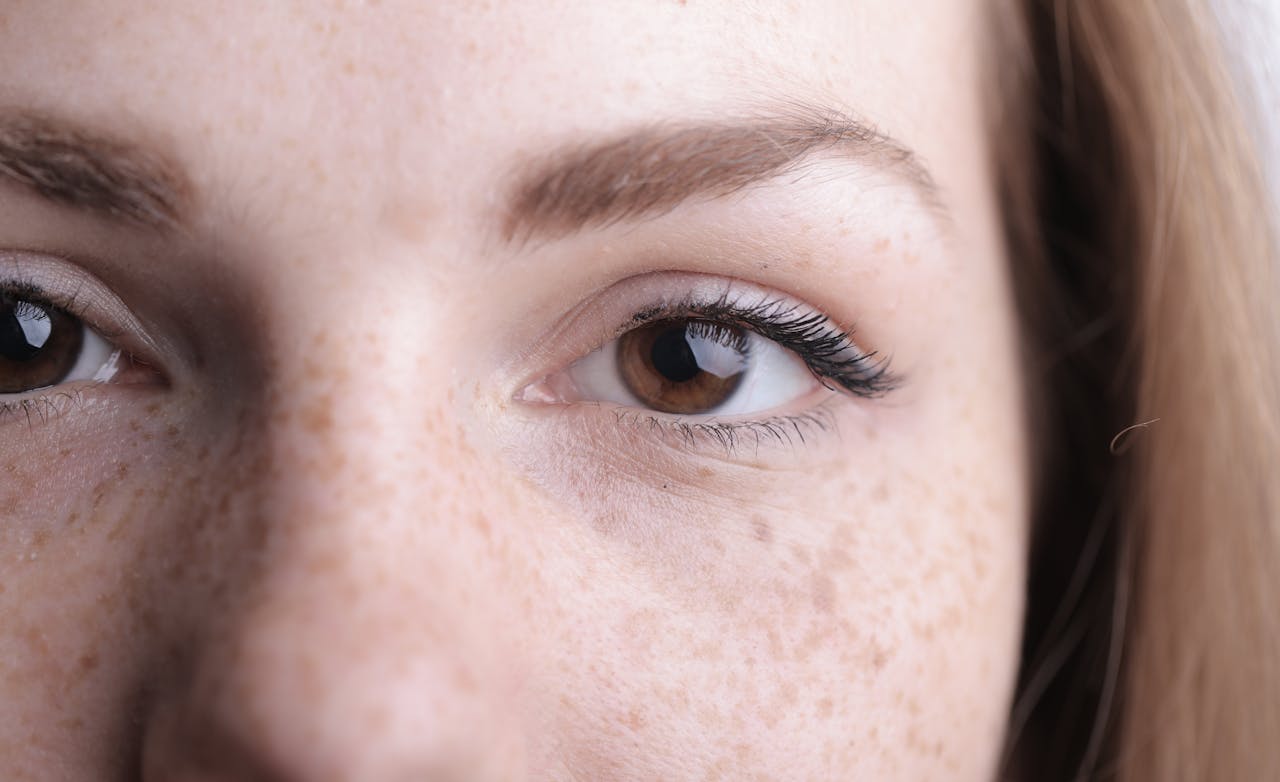
If you have sensitive skin, booking facial treatment usually feels like a gamble. You’ve likely spent years curating a specific routine of safe products, so the idea of letting a stranger apply professional grade acids or use heavy machinery on your face can be terrifying. Nobody wants to pay a premium just to leave the spa with a complexion that feels like it’s on fire.
The good news is that the skincare world has finally moved past the no pain, no gain era. Modern aesthetics have traded harsh, skin stripping peels for methods that prioritize the health of your skin barrier. Being sensitive doesn’t mean you are stuck with basic DIY masks at home it just means you need a more calculated approach to professional care.
What Kind of Sensitive Are You?
Before setting foot in a spa, you need to know what you’re dealing with. There is a massive difference between sensitive skin and sensitized skin.
Redness, thin skin or rosacea since adolescence are likely inherited. Your skin naturally reacts more to environmental changes. If you overused a 12 step routine or high percentage retinol and your face started stinging, you may have sensitized it. This indicates a broken skin barrier that leaks moisture.
A skilled esthetician treats these two scenarios differently. One requires long term calming, while the other needs emergency barrier repair. Knowing your history helps you steer the conversation toward soothing skincare treatments that actually help rather than hurt.
The Go To Facials for Reactive Skin
Forget the aggressive steam and squeeze sessions of the 90s. The following modalities are specifically designed to deliver visible results without triggering a week long flare up.
- The HydraFacial Customized: The HydraFacial is famous for its glow, but for sensitive types, the secret lies in the customization. Instead of the standard mechanical exfoliation, ask your provider to focus on the hydration and infusion steps. The machine uses a gentle suction think of it like a tiny, moisture rich vacuum to pull out debris while simultaneously flooding the pores with water based serums. It is effective because it bypasses the friction of manual scrubbing, which is the primary enemy of reactive skin.
- LED Light Therapy The Red Light Rule: If your skin is so reactive that even a gentle massage makes you turn beet red, LED therapy is your best friend. There is no heat, no chemicals, and no physical contact involved. Red light wavelengths penetrate the surface to tell your cells to stop producing inflammatory signals and start producing collagen. It is one of the few facial treatments for sensitive skin that works on a cellular level to chill out your complexion from the inside out.
- Oxygen Infusion: This is essentially a deep pressure hydration treatment. A specialized wand mists pressurized oxygen and a cooling serum usually packed with hyaluronic acid onto the face. It feels like a cold breeze and immediately knocks out surface redness. Because the oxygen helps the product absorb without the esthetician having to rub it in, it’s the ultimate safe choice for a pre event glow.
- Enzyme Based Smoothing: Glycolic acid, used in traditional chemical peels, penetrates too deeply and burns. Request papaya or pomegranate enzymes for smooth skin without the sting. These enzymes only degrade surface dead protein. They’re safer for irritable skin because they stop operating once impact healthy skin.
The Ingredients: Green Lights and Red Flags
Personal advocacy is best. Look for these substances in the finest facials for sensitive skin:
- Centella Asiatica (Cica): This is the ultimate fire extinguisher for the skin. If a treatment includes Cica, it is specifically designed to heal and soothe
- Ceramides and Fatty Acids: Think of these as the glue holding your skin cells together. If your barrier is compromised, you need these to patch the holes
- Niacinamide: A great all rounder that stabilizes the skin barrier and reduces the blotchy look that often follows a flare up
What to avoid: Stay far away from synthetic fragrances, essential oil blends lavender and peppermint are common culprits and harsh physical exfoliants like apricot kernels or walnut shells. These act like micro razors that create tiny tears in your already delicate skin.
The Before and After Strategy
A facial is not a standalone event; it is a three day process that requires some discipline.
Two days before: Put away the actives. This means no Retin A, no Vitamin C, and no at home exfoliating pads. You want your skin to be as rested as possible when you walk into the spa so the professional products can do their job without an uphill battle.
The day after: Keep it boring. Now is not the time to try a new 10 step kit. Use a gentle, milky cleanser and a thick, fragrance free moisturizer. Most importantly, use a mineral sunscreen. Sensitive skin tends to heat up under chemical sunscreens, so stick to Zinc or Titanium based formulas to keep the surface cool.
Don’t Be a Quiet Client
The biggest mistake people with sensitive skin make is staying silent when something feels wrong. In a standard facial treatment, people often assume that a little stinging means it’s working. For you, stinging is a warning shot.
If a product starts to itch, burn or feel uncomfortably hot, tell your esthetician immediately. A pro will have a neutralizing spray or a cold compress ready to go. A truly great skincare specialist would rather change the plan mid treatment than have you leave with an injury.
Final Thoughts
You do not have to miss out on the benefits of professional skincare just because your skin is finicky. By choosing low friction, high hydration treatments like LED therapy and oxygen infusions, you can strengthen your skin rather than just stripping it down.
Professional soothing skincare treatments are an investment in skin’s long term resilience. The more you support your barrier with the right professional care, the less sensitive your skin will actually become over time.
